Documentation is Executable Infrastructure
I spent four hours on a 5,000-line guide no human will ever read. It was written for a machine to build from. That is the new job of documentation.
Most people write documentation as a record.
You write it so that six months from now, when a human forgets how something works, they can look it up. It sits in a drawer. A passive archive of things you used to know.
That was the job. It is not the job anymore.
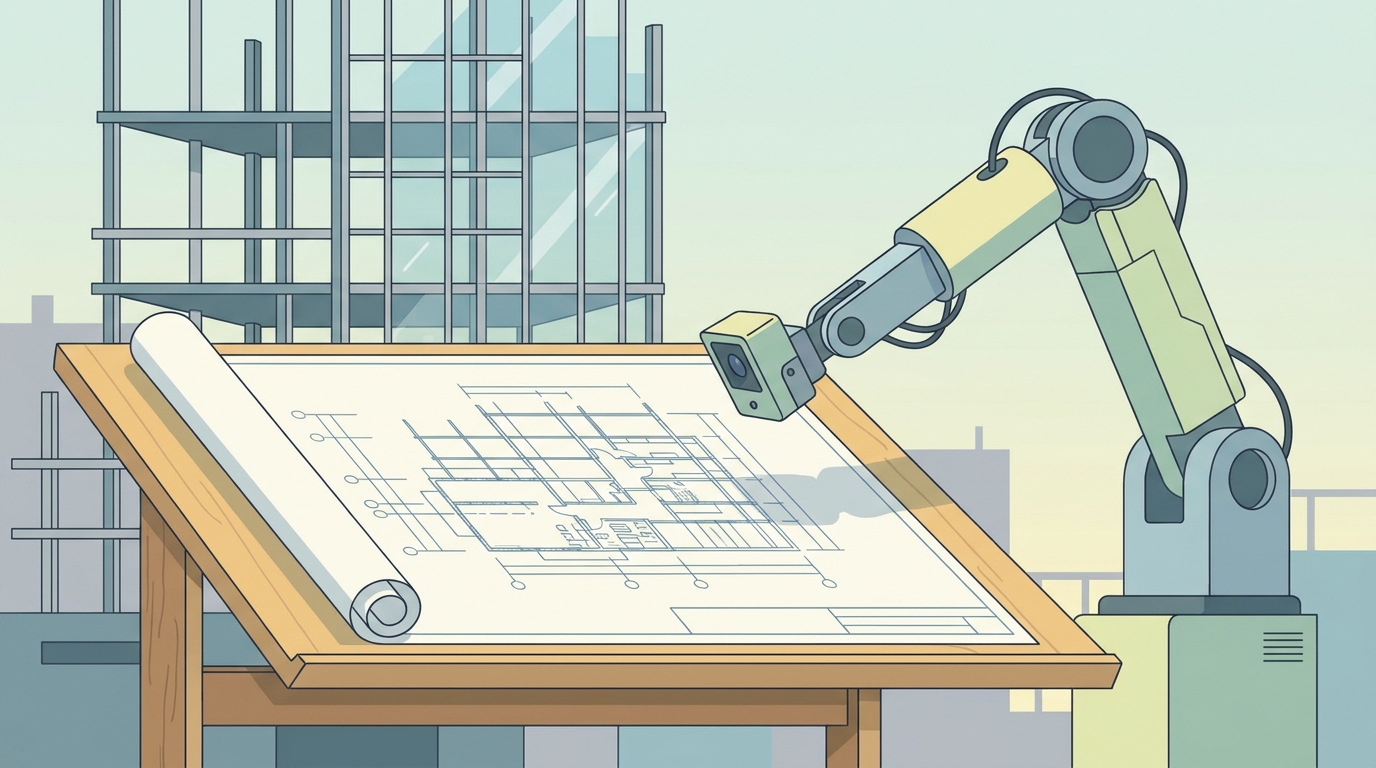
Now an agent reads your documentation and builds from it. Not refers to it. Builds from it. The way a construction crew builds from a blueprint.
A blueprint does not explain. It specifies. Every measurement is exact, because the builder is going to follow it exactly. A vague line on a blueprint is not a small problem. It is a wall in the wrong place.
That is your documentation now.
If your documentation is fuzzy, your agents hallucinate. If your documentation is surgical, your agents ship.
The lab result
Last week I spent four hours writing a 5,000-line build guide for one of my sites. I call it the Antigravity-Stitch Protocol, named for the toolchain it runs on: Antigravity, Google’s agentic coding environment that builds from written instructions, and Stitch, its companion that turns a design into working interface code.
It is dense. It covers how to pull a competitor’s homepage with Firecrawl, a tool that reads a live web page and hands its content back in a form an AI can actually use. How to produce the smooth scroll animation on a hero section with Veo, Google’s video-generation model. How to generate the images, frame by frame, with Whisk, Google’s image generator, instead of hunting for stock.
No human will ever read the whole thing. Not even me.
My coding agent reads it instead. When I ask for a new landing page, it does not guess how to structure the hero. It opens the guide, finds the exact steps, and builds. That is the whole difference between an agent that improvises and an agent that executes.
The shift
We are moving from knowing things to building things.
Then: documentation was a how-to, for a human, read once and filed away.
Now: documentation is a blueprint, for a machine, executed every time it builds.
When you write a guide today, you are not writing for a trainee who will read it slowly and learn. You are writing for a builder with a photographic memory and a hundred times your speed, who has zero intuition and will do precisely what the page says. No more, no less.
So stop writing manuals. Start drawing blueprints.
Related Labs:
- The Return to the Digital Garden — The philosophy behind this shift.
- Marketing Problems are Infrastructure Problems — The foundational axiom.