Writing for the Machine Audience
Why we need 'Surgical Precision' and zero fluff if we want AI to recommend us.

For fifteen years, we wrote for Google.
You learned the tricks. Stuff the keywords. Write “skyscraper” posts, ten thousand words that say almost nothing, because longer pages ranked higher. Pad the recipe with five hundred words about your grandmother’s summer house before you let anyone near the ingredients.
It worked. A human skimmed past the padding to find the one line they came for, and Google rewarded the page for being long.
That era is over.
A new reader showed up. It doesn’t skim. It’s a machine, and it reads with a meter running.
The new reader pays by the word
The next search isn’t a person scanning a list of blue links. It’s an AI agent reading your page to build a single answer. People call this AEO, answer engine optimization. It’s just SEO for that reader: writing so the machine can find your point and actually use it.
And this reader pays by the word.
Every sentence you make it read costs something. Engineers call the limit a context window, the fixed amount of text a model can hold at once. Think of it as a meter. Each paragraph of warm-up ticks it up.
Bury your insight behind eight paragraphs of preamble and the machine pays the full fare just to reach it. Then it does the math you never see. If the answer is this expensive to dig out, maybe it isn’t worth digging out. So it moves to the next page, where the point sits right at the curb.
Fluff used to be free. A human just ignored it. The machine gets billed for it.
You’re not writing for eyeballs anymore. You’re writing for a reader that pays by the word.
Write surgically
So you hand the machine the cleanest version of your point. Four moves, in order.
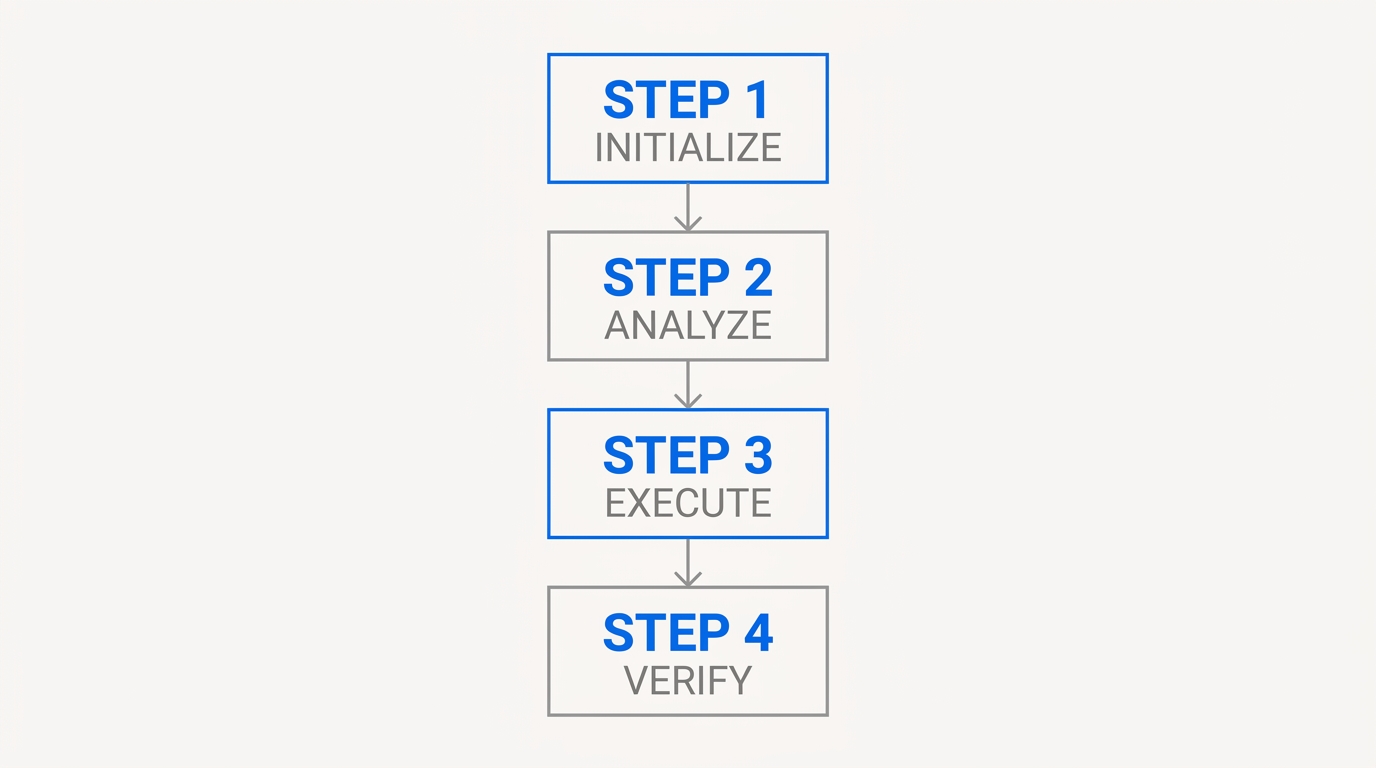
State the axiom. The one claim the whole piece exists to make. Prove it. Evidence, not adjectives. Give the method. What the reader actually does next. Stop.
No warm-up. No grandmother’s summer house. No victory lap at the end.
To a marketer trained in 2015, this feels dry. Stripped. Cold. To a machine, it looks like signal, and in a feed drowning in AI-generated noise, a clean signal is the rarest thing there is.
That’s the whole game now. Be the page where the answer sits at the curb and the meter barely moves. Be the clearest node on the topic, and you become the one the machine hands to the person who asked.
The new reader is counting every word. Respect that, and it picks you.